

Artificial intelligence was one of the clearest threads running through Budget 2027. Alongside the cash aid and wage announcements, the government set out a layered AI strategy that combines consumer benefits, workforce development and sovereign infrastructure. The goal is to close Malaysia’s persistent AI adoption gap and move the country closer to its ambition of becoming an “AI Nation” by 2030. Below is a breakdown of what was announced and what it means for ordinary Malaysians, SMEs and the wider economy.
AI Subscriptions Are Now Tax-Deductible
The change most people will notice first is that lifestyle tax relief now covers AI subscriptions. If you pay for tools such as ChatGPT, Gemini or other subscription-based AI services, you can claim those fees under the individual lifestyle tax relief category.
There are a few points worth noting:
- The relief sits within the existing lifestyle relief category, which also covers internet, smartphones, books and, newly, sports shoes. It is not a separate standalone relief.
- The exact claimable amount for AI subscriptions has not been disclosed yet and is expected in the official tax guidelines.
- It comes alongside a broader increase in individual income tax relief, from RM9,000 to RM12,000.
The purpose is clear. Malaysia’s AI adoption still lags behind several regional neighbours, and making subscriptions claimable encourages more people to pay for these tools and use them regularly.
100,000 More Free AI Subscriptions for Young People
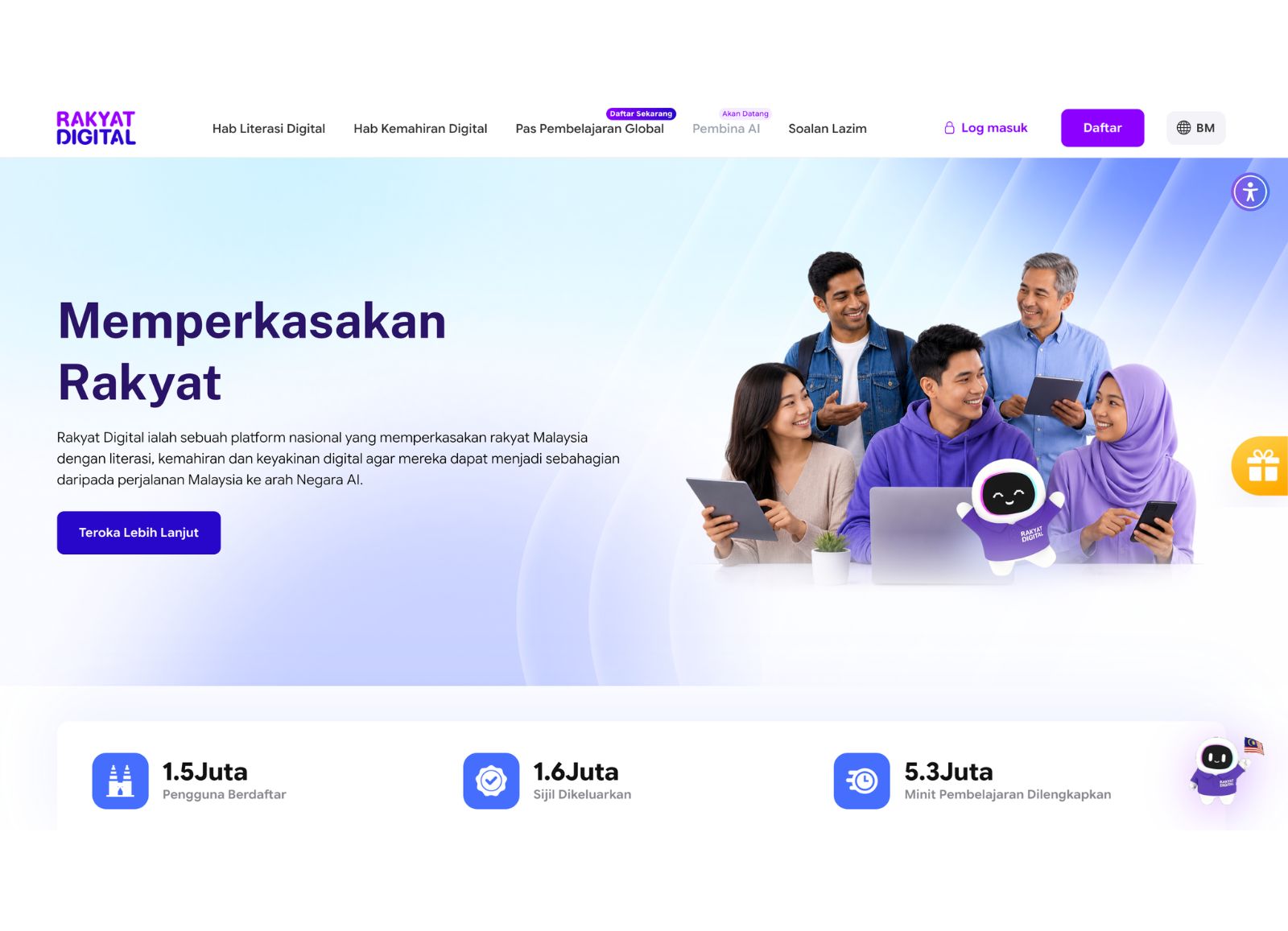
For those who are not ready to pay, the government is providing free access. After strong public response to an earlier round, Budget 2027 adds 100,000 more free AI subscriptions, including access to ChatGPT, with a focus on young Malaysians.
This is part of a wider digital skills initiative:
- Rakyat Digital, in partnership with Coursera, will offer more than 16,000 free courses and professional certificate programmes from leading universities and global organisations.
- The aim is broad AI literacy among young people, so that access is widespread rather than limited to a few.
RM6 Billion for R&D, Skills and Business Adoption
These consumer measures are backed by a much larger industrial commitment. The government is allocating RM6 billion across ministries for research, development and commercialisation, with AI as a central focus. Key elements include:
- Nearly RM15 million for AI Malaysia Berhad to build a safe and ethical AI ecosystem and support the national workforce target.
- A headline goal of 200,000 skilled AI workers.
- 5,000 AI professionals to be trained and certified.
- RM30 million through MDEC to help 4,000 MSMEs adopt AI and automate their operations.
- Funding for ethical AI development, business automation and robotics.
For small businesses, the MDEC fund is the most practical part, as it offers a subsidised path to AI adoption instead of leaving them to bear the full cost.
A Sovereign AI Cloud and a Malaysian AI
Two initiatives show where the government wants long-term control rather than just adoption. The first is a planned Sovereign AI Cloud, designed to keep citizens’ data and the country’s strategic information under Malaysian control instead of on foreign infrastructure.
The second is a plan to develop Malaysia’s own AI rooted in national identity. Ministries, agencies and educational institutions will contribute authenticated and annotated digital language data to Dewan Bahasa dan Pustaka (DBP). This lays the groundwork for local AI models trained on Malaysian language and context, reducing reliance on imported foreign models.
Using AI to Fight Scams
One application is likely to resonate with many people, given how common online fraud has become. The National Scam Response Centre is developing an AI tool that will let citizens verify phone numbers, bank accounts and suspicious links before completing a transaction. It is a clear example of AI spending that offers direct and immediate protection to consumers.
The Policy Framework Behind It
These measures are part of a broader government framework, which provides useful context:
- The National AI Action Plan 2026–2030
- The “AI untuk Rakyat” national AI literacy campaign
- Wider GovTech, digital identity and cross-agency data integration efforts
- Data centre incentives linked to energy and water efficiency, so that growth in digital infrastructure does not strain power and water supplies or raise costs
The Bigger Picture and the Criticism
Malaysia is already a significant player in AI hardware. The IMF ranks it among the world’s top net exporters of AI-related hardware, alongside Taiwan and South Korea, supported by its semiconductor base and strong data centre investment. Budget 2027 aims to build the software, skills and adoption layer on top of that hardware strength.
The strategy does have critics. Analysts have argued that Malaysia’s AI investment has gone mostly into infrastructure rather than actual use. Data centres and cloud projects accounted for close to 44% (RM95.8 billion) of the country’s approved investment in the first half of 2026. The free subscriptions, the MDEC adoption fund and the AI Malaysia allocation can be seen as a deliberate shift toward impact over infrastructure, putting AI in the hands of students, workers and SMEs rather than only building the facilities that power it.
Industry response was also mixed. Tech association PIKOM welcomed the investments in AI, semiconductors and digital infrastructure, but noted that Budget 2027 left several key industry proposals unaddressed. This suggests there are still gaps the sector had hoped to see filled.
What It Means for You
Without the policy language, the practical takeaways are simple:
- Students and young Malaysians get free AI access and thousands of free courses.
- Taxpayers can claim AI subscriptions under lifestyle relief.
- SMEs can get subsidised support to adopt AI through MDEC.
- Job seekers will see a government actively working to create 200,000 AI roles.
- Everyone can benefit from AI-powered scam protection and efforts to keep national data in Malaysia.
Budget 2027 does more than mention AI. It spreads AI across consumers, workers, businesses and national infrastructure at the same time. Whether adoption can finally catch up with Malaysia’s hardware strength is the question the next few years will answer.
My Opinion
I think Budget 2027 takes a sensible and well-balanced approach to AI. Making subscriptions tax-deductible and giving free access to young people are low-cost ways to get more Malaysians using these tools every day, and that is where the real adoption gap is. The scam-checking tool stands out to me as the most immediately useful measure, because it solves a problem many families already face. That said, the success of these plans depends on execution. The tax relief amount is still unclear, and 100,000 free subscriptions is modest compared to the size of the population. If the government follows through with clear guidelines and measurable results, especially for SMEs and the 200,000-worker target, this budget could mark a real shift from building AI infrastructure to actually benefiting from it.