
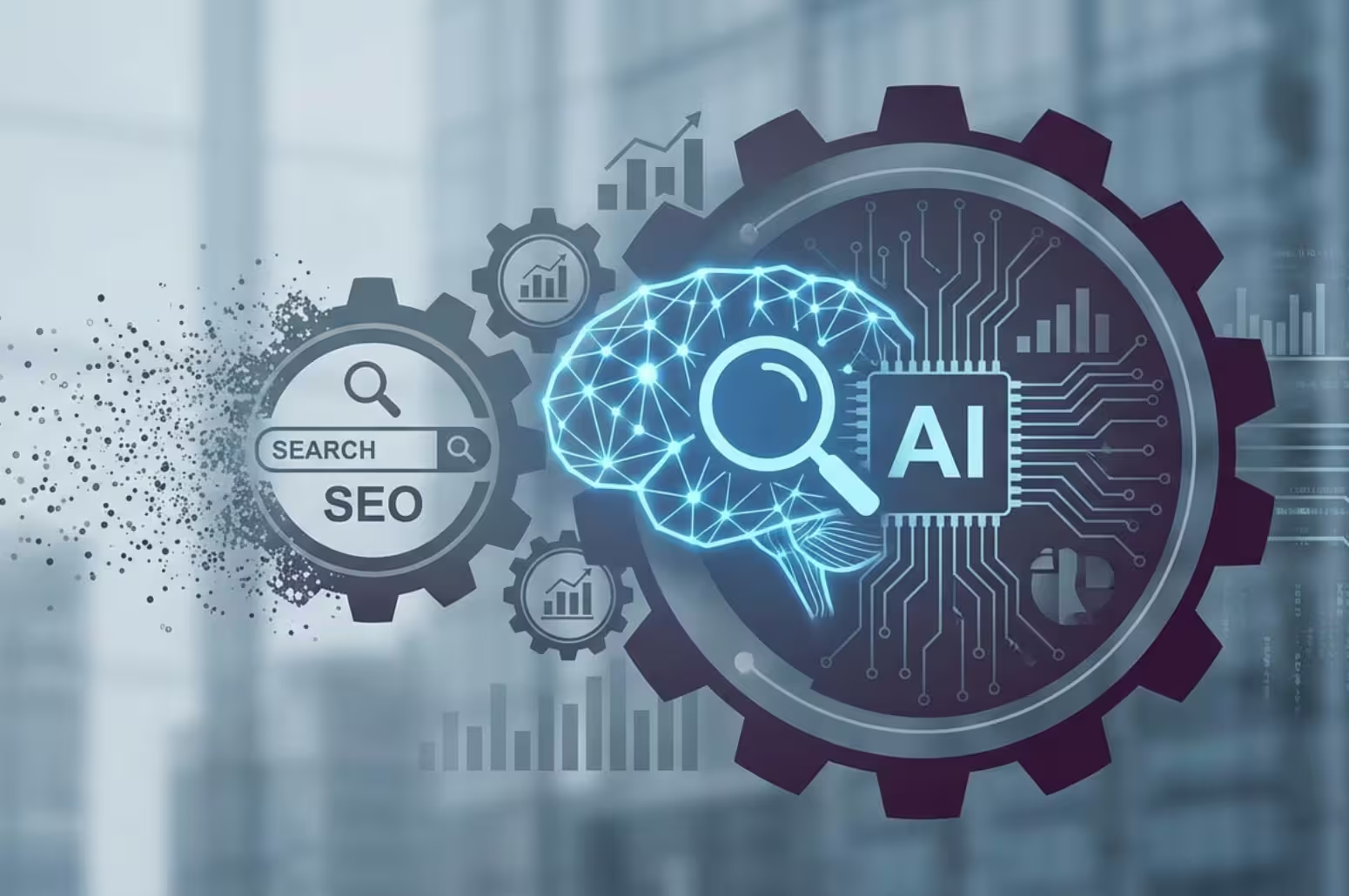
In 2026, the Malaysia search landscape has undergone a profound transformation. Traditional SEO (Search Engine Optimization), once focused primarily on Google rankings, keywords, and backlinks, is evolving rapidly into AISEO—a blend of Artificial Intelligence and search optimization strategies designed for AI-powered search engines, generative answers, and tools like ChatGPT, Perplexity, and Google’s AI Overviews.
AISEO is not replacing classic SEO; it is supercharging it. Businesses that adapt to this shift are seeing sustained visibility, while those clinging to outdated tactics risk being left behind. This article breaks down what AISEO means, why it’s dominating the field, key strategies to implement it, and critical warnings for website owners who ignore optimization altogether
What Exactly Is AISEO?
AISEO stands for Artificial Intelligence Search Engine Optimization (sometimes referred to as Generative Engine Optimization or GEO, Answer Engine Optimization or AEO, and LLM Optimization). At its core, it involves optimizing content, structure, and technical elements so that AI systems can easily understand, interpret, cite, and recommend your website in synthesized answers.
Unlike traditional SEO, which targets human click-throughs from blue-link results, AISEO focuses on:
- Entity relationships and semantic clarity
- Structured data and machine-readable formats
- Citation readiness for AI models
- Content quality that aligns with user intent in conversational queries
Tools and platforms under the AISEO umbrella now automate keyword research, content creation, on-page optimization, and even predictive analysis of algorithm changes. Some popular AISEO solutions specialize in generating SEO-friendly blog posts, while others track how AI engines perceive your brand.
The rise of AI Overviews in Google and similar features elsewhere has accelerated this trend. Searches increasingly end with direct AI-generated summaries rather than clicks to websites, making visibility in those answers essential for traffic and brand exposure.
Why AISEO Is Taking Over Traditional SEO in 2026
Several factors explain the dominance of AISEO:
- Explosive Growth of Generative Search: AI-powered answers now appear in billions of searches monthly. Zero-click searches (where users get answers without visiting sites) are the new normal, with reports indicating significant drops in organic click-through rates for top results when AI summaries appear.
- AI Tools Automate and Scale SEO Tasks: Modern AISEO platforms handle everything from content gap analysis to real-time optimization, allowing teams to produce high-quality, search-optimized material faster and more accurately than ever.
- Shift Toward E-E-A-T and Authority: Search engines and AI models prioritize trustworthy, well-structured sources. AISEO emphasizes clear entity building, topical authority, and demonstrated expertise—elements that traditional keyword stuffing can’t achieve.
- Hybrid Search Reality: Users now interact with both traditional engines and AI assistants. Brands must optimize for both to avoid losing ground.
Experts note that while fundamentals like quality content and technical health remain important, AISEO adds layers such as LLMs.txt files (to guide AI crawlers), enhanced schema markup, and content formatted for easy extraction and citation.
Key Strategies for Mastering AISEO
To thrive in this new era, businesses should adopt these practical approaches:
- Focus on Semantic Structure: Use clear headings, entity-based writing, and topic clusters that help AI models connect concepts.
- Optimize for Citations: Create authoritative, data-backed content that AI tools are likely to reference. Include original insights, statistics, and unique value.
- Leverage AI Tools Wisely: Combine human oversight with AISEO platforms for keyword research, content drafting, and performance tracking. Avoid fully automated low-quality output, as search engines penalize thin or spammy material.
- Technical Enhancements: Implement structured data, ensure fast loading times, and consider signals for AI crawlers.
- Monitor AI Visibility: Track not just Google rankings but how often your brand appears in AI-generated answers across platforms.
Successful AISEO blends automation with strategy—speed without sacrificing depth or originality.
If You Have a Website and You Don’t Do SEO, What Will Happen?
Neglecting SEO—and by extension AISEO—in today’s environment carries severe long-term consequences. Here’s what typically unfolds when a website stops receiving optimization efforts:
- Gradual Ranking Decline: Without updates, fresh content, or technical maintenance, search engines view your site as less relevant or inactive. Pages slip down the results over months, as competitors continue to optimize and algorithms evolve.
- Traffic Erosion: Organic visitors dwindle as your content becomes outdated and less competitive. This leads to fewer leads, sales, and brand exposure. In the AI era, the drop can accelerate if your site fails to appear in generative answers.
- Loss of Perceived Authority: Search engines and AI models assume stagnant sites are no longer active or authoritative. This compounds the visibility problem, creating a downward spiral.
- Increased Reliance on Paid Channels: Businesses often turn to costly ads to compensate for lost organic traffic, raising marketing expenses significantly.
- Competitive Disadvantage: Rivals who embrace AISEO capture more market share through better visibility in both traditional and AI-driven search.
The effects aren’t always immediate— a well-established site might hold steady for a while—but neglect eventually results in stale content, broken user experiences, and diminished digital presence. Regular SEO (and now AISEO) acts like essential maintenance: skipping it is like ignoring car servicing until the engine fails.
In short, not doing SEO in Malaysia doesn’t just stall growth; it actively erodes your online foundation in a competitive, AI-accelerated marketplace.
The Future of Search: Adapting or Falling Behind
AISEO represents an evolution, not the end of SEO. Core principles like delivering value to users and maintaining technical excellence still apply, but the toolkit has expanded dramatically with artificial intelligence.
Businesses that integrate AISEO strategies—focusing on machine understanding, citation potential, and hybrid optimization—position themselves for success amid changing search behaviors. Those that don’t risk invisibility not only in Google but in the AI answers that millions now rely on daily.
Start by auditing your site’s AI readiness: Is your content semantically rich? Can AI models easily extract and trust your information? Are you using tools to stay ahead of trends?
The takeover is underway. The question is whether your website will lead or lag in this new era of intelligent search.
Stay proactive, combine human expertise with AI efficiency, and treat optimization as an ongoing investment rather than a one-time task. Your future traffic and growth depend on it.